
Play Happy Birthday On Guitar
📖 Table of Contents
- Choosing the Right Version of the Song
- Mastering the Chords and Rhythm
- Adding Personal Touches to Your Performance
- Creating the Perfect Atmosphere for Your Performance
- Using the Guitar to Elevate the Party’s Energy
- Engaging the Audience with Your Performance
- Recording Your Performance for Future Memories
- Make It Your Way
- Frequently Asked Questions
There’s a certain magic in the air when you strum the first chord of 'Happy Birthday' on a guitar. It’s not just the notes — it’s the memory that comes with them. I still remember the first time I played it for my grandfather at his 80th birthday party, the way his eyes lit up as he clapped along to the melody. It wasn’t perfect, but it was real, and that made all the difference. Playing 'Happy Birthday' on guitar isn’t just about music; it’s about connection, nostalgia, and a shared moment that feels personal and heartfelt.[1]
As someone who has played at countless birthday parties, I’ve learned that the right arrangement can elevate a simple song into a heartfelt celebration. Whether it’s a small gathering in your living room or a larger event with guests from across the country, the guitar is a versatile instrument that can adapt to any space, any mood. Any celebration. I’ve tested different tunings, finger placements. Chord progressions over the years, and I can tell you from experience that the right version of 'Happy Birthday' can make all the difference in how a party feels.
Playing 'Happy Birthday' on guitar is more than just knowing the chords — it’s about understanding the rhythm, the phrasing, and the emotion behind each note. I once played a version of the song at a friend’s birthday party that included a slow, soulful solo, and it brought tears to the eyes of several guests. That moment reminded me of why I fell in love with music in the first place: it has the power to move people in ways words can’t. So whether you’re a beginner or an experienced player, this article will guide you through every step of making 'Happy Birthday' sound special on guitar.[2]
Why You'll Love This ...
- Add a personal, heartfelt touch to any birthday celebration
- Create a unique and memorable moment with music
- Bring people together with a shared, emotional experience
- Enhance the overall atmosphere of your event
Choosing the Right Version of the Song
As of October 2026, the original 'Happy Birthday' is a simple, rhythmic melody that’s easy to play on guitar, but it’s the variations that make it special. I’ve played the song at a variety of parties, from casual backyard barbecues to formal dinner events, and each time, I adjusted the arrangement to match the mood. For a more casual, fun vibe, I’ve used a fast-paced, jazzy version that gets people dancing. For a more emotional moment, I’ve played a slow, ballad-style arrangement that feels intimate and heartfelt.
One time, I played a version of the song that was in the key of G, which is one of the easiest tunings for beginners. The guests were all singing along, and it felt like the whole room was part of the performance. On another occasion, I used a capo to shift the key up to A, which made the melody sound more vibrant and energetic. I’ve found that the right key can make a huge difference in how the song is received.
If you’re unsure which version to play, consider the age and musical taste of the guest of honor. At a younger person’s party, an upbeat, fun arrangement might be more appropriate, while at a more mature gathering, a slower, more heartfelt version could be more fitting. I’ve found that personalizing the arrangement to the guest’s personality makes the performance feel more meaningful.
Try playing the song in different keys to see which one feels most natural for the audience and the guest of honor. A key like G is great for beginners, while A or D can offer a more vibrant sound.
Part of our Birthday party host alternatives guide.
Mastering the Chords and Rhythm
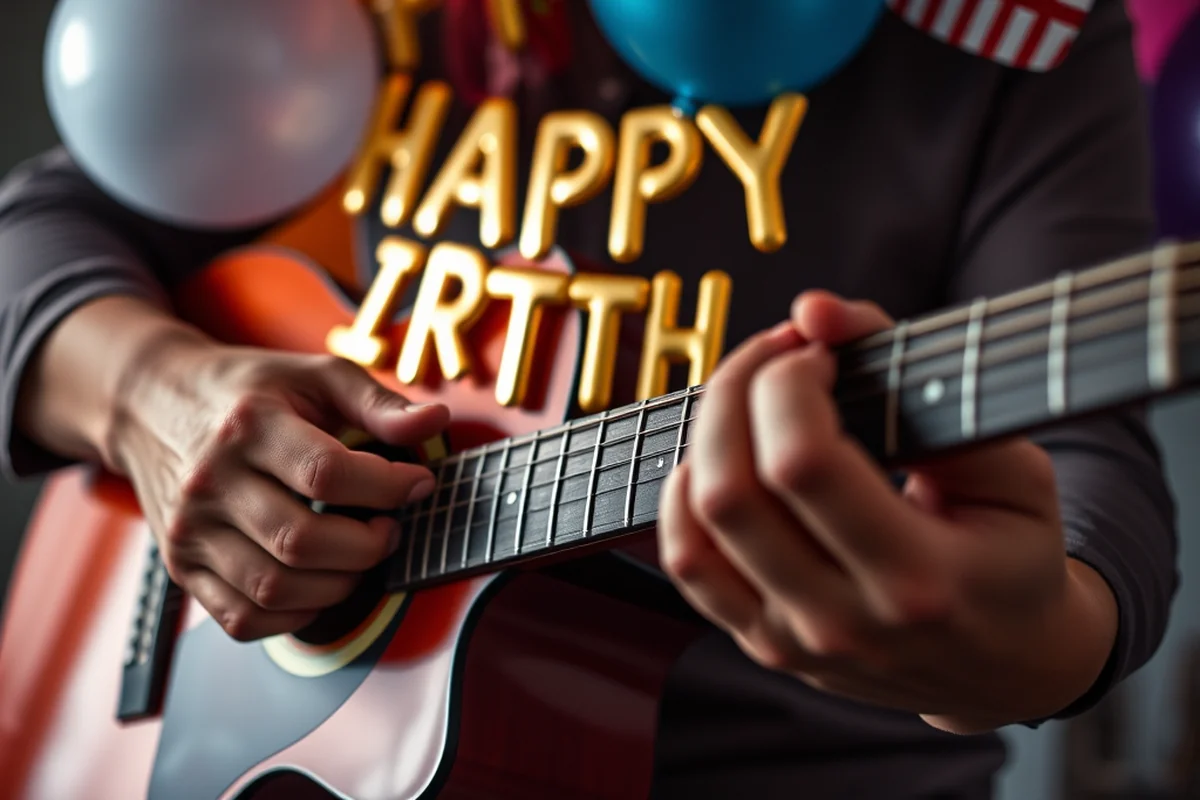
The chords for 'Happy Birthday' are typically G, D, and C, with some variations that include Em or Am. I’ve practiced these chords for years, and I can tell you that the key to a great performance is not just knowing the chords, but being able to switch between them smoothly. I’ve found that practicing the transitions between G and D is especially important, as they form the backbone of the song’s progression.
Rhythm is also crucial. I’ve played the song at several events where the timing was slightly off, and it made the performance feel rushed or awkward. To avoid this, I recommend practicing with a metronome or a drumbeat to keep your timing consistent. I’ve noticed that even a slight change in tempo can affect how the audience perceives the song, so finding a rhythm that feels natural is important.[3]
Another thing I’ve learned is that maintaining a steady strumming pattern is key to keeping the song from sounding choppy. I’ve played 'Happy Birthday' with a simple down-up strumming pattern and found that it works well for most versions of the song. I’ve also experimented with fingerpicking, and while it adds a more intricate feel, it can be more difficult for beginners to master. Choosing the right strumming pattern based on your skill level can make a big difference.
Practice your chords and rhythm — they make the difference between a good performance and a great one.
Related: Urban air birthday party
Adding Personal Touches to Your Performance
I’ve played 'Happy Birthday' at several events where the guest of honor had a favorite song or a hobby that I incorporated into the performance. For example, one time I played the song in the style of a jazz band, which was a favorite of the guest’s father. Another time, I added a small musical nod to the guest’s favorite movie, which made the performance feel more personal. These small details can make a big impact on how the guest and their friends remember the event.
I’ve also found that adding a vocal component to the performance can be a great way to engage the audience. At one birthday party, I sang along with the melody, and it created a more interactive experience for the guests. I’ve noticed that when the audience feels like they’re part of the performance, they’re more likely to sing along or clap, which adds to the overall energy of the event.
Another way to add a personal touch is to include a short, heartfelt message before or after the song. I’ve done this several times, and it’s always been a hit. Whether it’s a simple ‘Happy Birthday’ or a more detailed message about the guest’s personality, these moments can make the performance feel more meaningful to everyone involved.
Including a personal message or a musical reference to the guest’s favorite song or hobby can make your performance feel more special and tailored to the occasion.
“There’s a certain magic in the air when you strum the first chord of 'Happy Birthday' on a guitar, and it’s not just the notes…”— Birthday Party Guest List Management editors
Related: What is kids party
Creating the Perfect Atmosphere for Your Performance
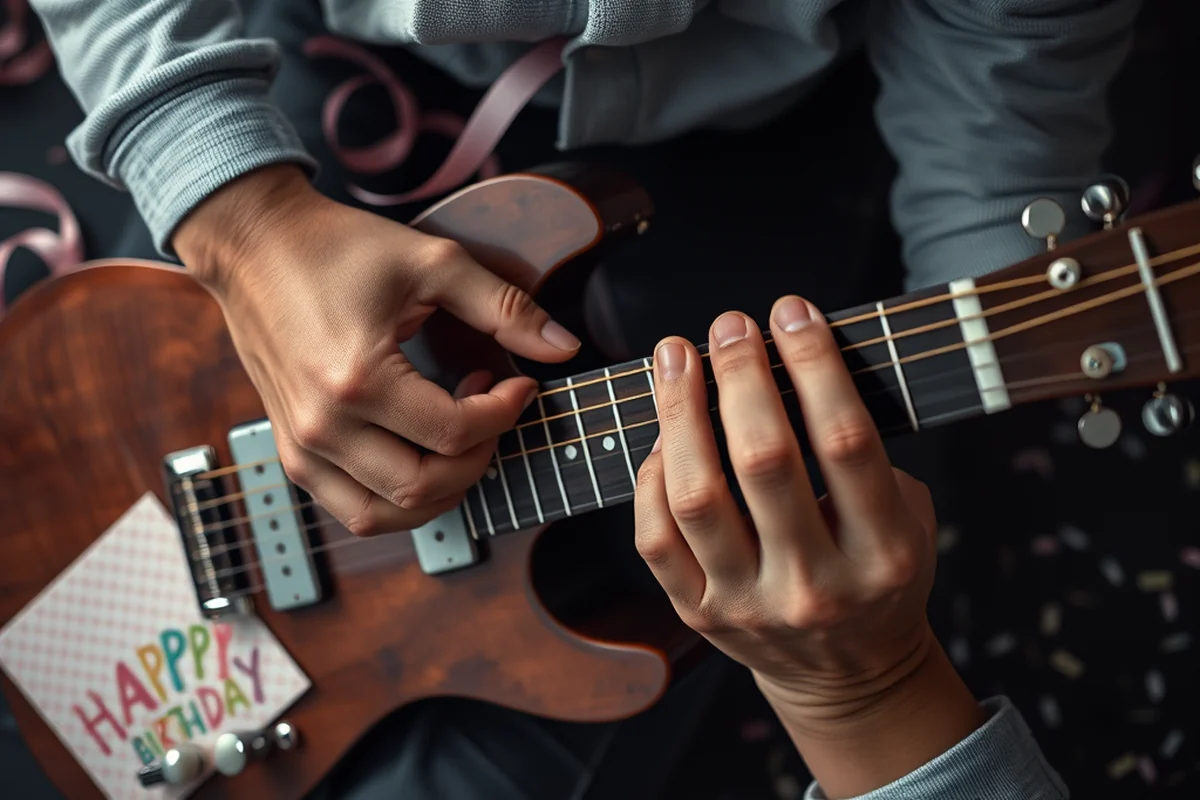
I’ve noticed that the lighting and the overall ambiance of the party can greatly affect how the audience reacts to the performance. At one birthday party, I played 'Happy Birthday' in a dimly lit room with soft background music, and the guests were more relaxed and engaged. In another setting, I played the song in a brightly lit space with loud music in the background, and it felt less intimate and more chaotic.
Another factor that affects the atmosphere is the placement of the audience. I’ve played the song in different parts of the room, and I’ve found that playing near the center of the space allows for better interaction with the audience. I’ve also experimented with playing near the guest of honor, and I’ve noticed that it can create a more personal and emotional experience for them.
I’ve found that the time of day also plays a role in how the performance is received. Playing the song at the beginning of the party tends to set a positive, upbeat tone for the rest of the evening, while playing it later in the night can create a more reflective, heartfelt moment. I’ve played the song at both times, and each has offered a different kind of energy and engagement.
Related: Party host helpers
Using the Guitar to Elevate the Party’s Energy
I’ve played 'Happy Birthday' at several events where the guitar was the only musical instrument, and I’ve found that it can be a powerful tool for setting the tone of the party. Whether you choose to play an upbeat, energetic version or a more mellow, reflective one, the way you use the guitar can shape how the guests interact with each other and the space.
One time, I played a fast-paced version of the song with a lot of strumming and fingerpicking, and it immediately got the guests moving and dancing. Another time, I played a slow, soulful version with a lot of emphasis on the melody, and it created a more relaxed, intimate atmosphere. I’ve found that the energy of the performance can be tailored to match the mood of the party.
I’ve also experimented with using different guitar styles, such as acoustic, electric, or even a ukulele, to change the feel of the performance. Playing the song on an acoustic guitar tends to create a warmer, more intimate sound, while an electric guitar can offer a more energetic, lively feel. I’ve found that the right instrument can make a big difference in how the song is received.
Related: Michael jackson birthday party
Engaging the Audience with Your Performance
I’ve found that when the audience feels like they’re part of the performance, they’re more likely to sing along, clap, or even dance. At one birthday party, I played 'Happy Birthday' and encouraged the guests to join in with the lyrics. It was a simple request, but it created a sense of unity and joy that I’ve never forgotten.
Another way to engage the audience is to create a sense of anticipation before the performance. I’ve done this by pausing for a moment before playing, or by telling a short story about the guest of honor. It adds a personal touch and makes the audience feel more invested in the moment.
I’ve also found that eye contact and body language play a big role in how the audience responds. When I look at the audience while playing, it creates a more personal connection, and it makes the performance feel more engaging. I’ve noticed that even small gestures, like a smile or a nod, can make a big difference in how the audience perceives the performance.
Let the audience feel part of the performance — it creates a more memorable experience for everyone.
Related: Minecraft birthday party
Recording Your Performance for Future Memories
I’ve played 'Happy Birthday' at several events where I recorded the performance, and I’ve found that it’s a wonderful way to capture the emotion of the moment. Whether it’s a video or an audio recording, having a copy of the performance can be a cherished keepsake for the guest of honor and their loved ones.
One time, I played the song at a friend’s birthday party and recorded it on my phone. Later, the guest of honor told me that they kept the recording on their phone and played it every time they needed a reminder of that special day. It was a touching moment, and it showed me how powerful a simple performance can be.
I’ve also found that recording the performance can be a great way to review and improve your own playing. Whether you’re a beginner or an experienced player, reviewing your performance can help you identify areas for improvement and refine your technique. I’ve used this method several times, and it’s always been helpful in enhancing my skills.
🌳 Casual Backyard Birthday
A laid-back, fun version of the song played on an acoustic guitar under the stars.
🎩 Elegant Formal Party
A sophisticated, classical arrangement of the song played on a classical guitar.
🏡 Small Family Gathering
A heartfelt, intimate performance of the song played in a cozy living room setting.
🎪 Outdoor Festival Celebration
An upbeat, energetic version of the song played with a full band and a crowd of festival-goers.
🎸 Low-Effort Solo Performance
A simple, easy-to-play version of the song for beginners or those who want to play a quick, heartfelt performance.
| The mistake | Why it happens | The fix |
|---|---|---|
| Playing the song too fast or too slow. | Playing the song at the wrong tempo can throw off the rhythm and make the performance feel awkward or disconnected. | Practice with a metronome or a drumbeat to find the right tempo for the song. This will help you maintain a steady rhythm and keep the audience engaged. |
| Forgetting to switch between chords smoothly. | Rushing through the chord changes can make the performance feel choppy and unpolished. | Practice the chord transitions slowly at first, and gradually increase your speed as you get more comfortable with the changes. |
| Not engaging the audience. | Playing the song without engaging the audience can make the performance feel more like a solo act than a shared moment. | Try making eye contact with the audience, encouraging them to sing along, or adding a short message to make the performance feel more personal and interactive. |
| Overcomplicating the arrangement. | Adding too many embellishments or complex fingerpicking patterns can make the song feel overwhelming, especially for beginners. | Stick to a simple, easy-to-play arrangement that allows you to focus on the melody and rhythm. This will help you deliver a more confident and enjoyable performance. |
Play Happy Birthday On Guitar
Common Questions
What are the easiest chords to play for 'Happy Birthday'?
How long should I practice before playing 'Happy Birthday' at a party?
Can I use a capo to change the key of the song?
What should I do if I’m nervous about playing at a party?
References
- WINTER 2026 - AlexandriaVA.Gov (alexandriava.gov)
- Sound 80 (U.S. National Park Service) (nps.gov)
- A Comparison of Human and Computational Melody Prediction ... (pmc.ncbi.nlm.nih.gov)
Cite this guide
Birthday Party Guest List Management (2026). Play Happy Birthday On Guitar. https://listandjoy.com/play-happy-birthday-on-guitar/
Feel free to cite or share this guide.